
Introduction
Business finance is one of the most important aspects of running a successful company. It refers to the management of money and financial resources that help a business operate, grow, and achieve its goals. Whether a business is small, medium, or large, proper financial management is essential for making informed decisions, increasing profitability, and ensuring long-term sustainability.
Without effective business finance, even companies with excellent products or services may struggle to survive. Business owners must understand how to manage income, expenses, investments, and risks to maintain a healthy financial position. In today’s competitive business environment, financial planning has become more important than ever.
What is Business Finance?
Business finance is the process of planning, organizing, directing, and controlling the financial activities of a business. It involves obtaining funds, using them efficiently, and monitoring financial performance to achieve business objectives.
Business finance includes several activities such as budgeting, financial forecasting, investment planning, cash flow management, and risk management. The primary goal is to ensure that a company has enough financial resources to operate effectively while maximizing profits and minimizing financial risks.
Importance of Business Finance
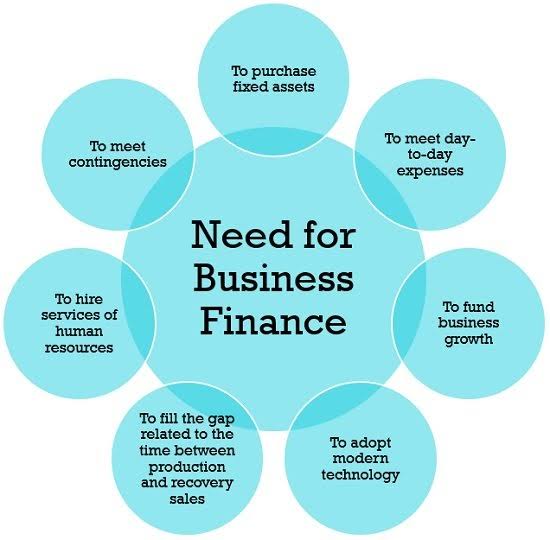
Business finance plays a critical role in every stage of a company’s development. Some of its major benefits include:
1. Supports Business Operations
Every business requires money to purchase raw materials, pay employee salaries, cover utility bills, and manage daily operations. Proper financial management ensures that these expenses are met without interruption.
2. Helps in Decision Making
Financial reports provide valuable information that helps business owners make informed decisions regarding expansion, investments, pricing strategies, and cost reduction.
3. Promotes Business Growth
Businesses require capital to expand into new markets, develop new products, or purchase advanced technology. Business finance helps identify suitable funding sources for growth.
4. Improves Profitability
Effective financial planning helps reduce unnecessary expenses, optimize resource utilization, and improve overall profitability.
5. Manages Business Risks
Financial management helps businesses prepare for unexpected events such as economic downturns, inflation, or market competition by maintaining emergency funds and risk management strategies.
Sources of Business Finance
Businesses can obtain funds from different sources depending on their size, objectives, and financial needs.
Internal Sources
Internal financing comes from within the business itself. Common internal sources include:
- Retained earnings
- Sale of unused assets
- Owner’s personal investment
- Business profits
Internal financing is generally less expensive because it does not involve interest payments or external obligations.
External Sources
External financing involves obtaining funds from outside the business. Common sources include:
- Bank loans
- Venture capital
- Angel investors
- Government grants
- Trade credit
- Business partners
- Public share offerings
External financing allows businesses to access larger amounts of capital but often comes with repayment obligations or ownership sharing.
Financial Planning
Financial planning is the process of estimating future financial requirements and developing strategies to meet them.
A good financial plan includes:
- Budget preparation
- Revenue forecasting
- Expense estimation
- Investment planning
- Cash flow analysis
- Emergency fund planning
Financial planning helps businesses avoid cash shortages and maintain financial stability.
Budgeting in Business
A budget is a financial plan that estimates future income and expenses over a specific period.
Budgeting allows businesses to:
- Control spending
- Allocate resources efficiently
- Monitor financial performance
- Identify unnecessary expenses
- Achieve financial goals
Regular budget reviews help businesses adjust their strategies based on changing market conditions.
Cash Flow Management
Cash flow refers to the movement of money into and out of a business.
Positive cash flow means that a business receives more money than it spends, while negative cash flow indicates financial difficulties.
Effective cash flow management involves:
- Collecting customer payments on time
- Managing inventory efficiently
- Controlling operating expenses
- Negotiating favorable payment terms with suppliers
Healthy cash flow enables businesses to meet their financial obligations without borrowing excessively.
Financial Statements
Financial statements provide important information about a company’s financial performance and position.
The three major financial statements are:
Income Statement
The income statement shows the company’s revenues, expenses, and profits over a specific period.
Balance Sheet
The balance sheet presents the company’s assets, liabilities, and owner’s equity at a particular point in time.
Cash Flow Statement
This statement records cash inflows and outflows from operating, investing, and financing activities.
Business managers use these statements to evaluate financial health and make strategic decisions.
Working Capital Management
Working capital is the difference between a company’s current assets and current liabilities.
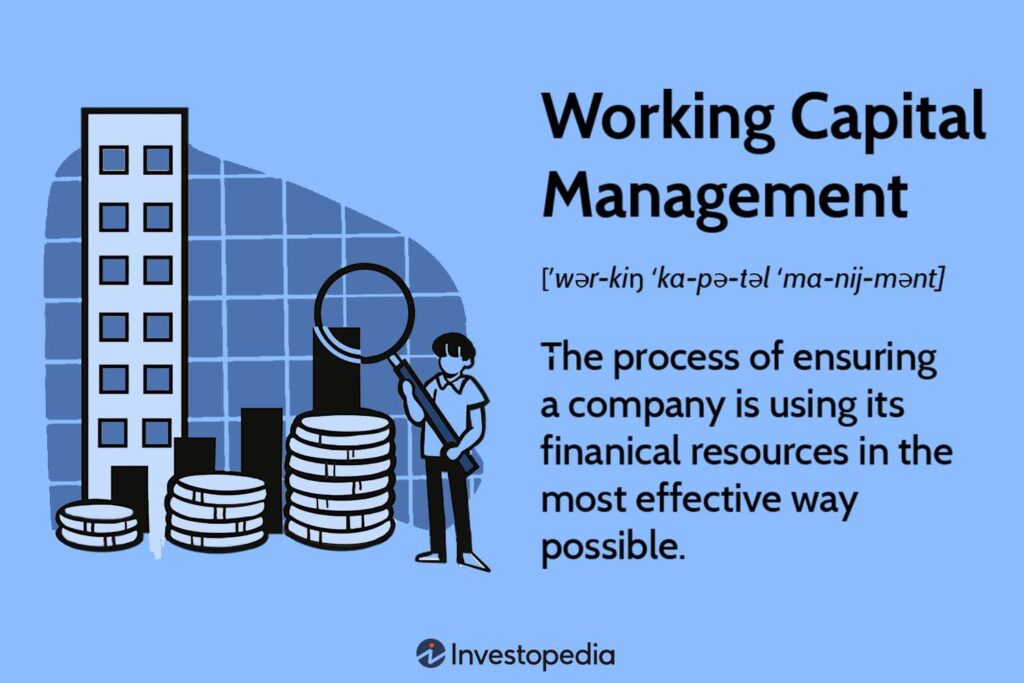
Proper working capital management ensures that the business has enough short-term funds to meet daily operational needs.
Effective working capital management includes:
- Inventory management
- Accounts receivable management
- Accounts payable management
- Cash management
Maintaining adequate working capital improves business efficiency and financial stability.
Investment Decisions
Businesses often invest in equipment, technology, buildings, research, and new product development.
Before making investments, financial managers evaluate factors such as:
- Expected returns
- Investment risks
- Cost of capital
- Market demand
- Payback period
Sound investment decisions contribute to long-term business growth.
Risk Management
Every business faces financial risks including:
- Market risk
- Credit risk
- Operational risk
- Interest rate risk
- Currency risk
Businesses manage these risks through:
- Insurance
- Diversification
- Emergency funds
- Financial forecasting
- Internal controls
Risk management helps protect business assets and ensures continuity during uncertain conditions.
Technology in Business Finance
Modern businesses increasingly rely on financial technology (FinTech) to improve efficiency.
Popular financial tools include:
- Accounting software
- Online banking
- Digital payment systems
- Cloud-based financial management
- Artificial Intelligence for financial analysis
Technology reduces human error, improves reporting accuracy, and enables real-time financial monitoring.
Challenges in Business Finance
Businesses often face several financial challenges, including:
- Limited access to capital
- Rising operational costs
- Inflation
- Economic uncertainty
- Cash flow shortages
- High competition
Successful businesses overcome these challenges through careful planning, financial discipline, and strategic decision-making.
Conclusion
Business finance is the backbone of every successful organization. It provides the financial resources needed for daily operations, expansion, investment, and long-term sustainability. Effective financial management helps businesses control costs, improve profitability, manage risks, and make informed decisions.
Regardless of the size of a business, understanding financial principles is essential for success in today’s competitive marketplace. Companies that prioritize sound financial planning, maintain healthy cash flow, and invest wisely are more likely to achieve sustainable growth and long-term profitability. As the business world continues to evolve, strong financial management will remain one of the most important factors contributing to organizational success.