
Introduction
Travel tourism is one of the most rewarding experiences in life. It allows people to explore new destinations, learn about different cultures, taste unique cuisines, and create unforgettable memories. Whether you are traveling for leisure, adventure, business, or education, every journey offers opportunities to grow, relax, and discover something new.
In today’s fast-paced world, traveling has become more accessible than ever. With affordable flights, online booking platforms, and detailed travel guides, people can easily plan trips to almost any destination in the world. Tourism not only benefits travelers but also contributes significantly to the economies of many countries by creating jobs, supporting local businesses, and promoting cultural exchange.
This blog explores the importance of travel tourism, its benefits, different types of tourism, travel planning tips, and how responsible tourism can help protect our planet for future generations.
What is Travel Tourism?
Travel tourism refers to the activity of people traveling from one place to another for recreation, relaxation, business, education, or other purposes. A tourist usually visits destinations outside their normal environment for a limited period while experiencing the attractions, culture, history, and lifestyle of the local community.
Tourism has become one of the world’s largest industries, connecting millions of people across different countries and cultures. It encourages understanding, friendship, and appreciation of global diversity.
Benefits of Travel Tourism
1. Reduces Stress
Traveling provides a break from daily routines and responsibilities. Visiting beautiful places, enjoying nature, and experiencing new environments help reduce stress and improve mental well-being.
2. Expands Knowledge
Every destination has its own history, traditions, architecture, and culture. Traveling allows people to learn beyond textbooks by experiencing the real world firsthand.
3. Creates Lifelong Memories
From watching breathtaking sunsets to exploring ancient landmarks, every journey creates unforgettable moments that stay with us forever.
4. Improves Confidence
Travel often involves solving unexpected challenges such as navigating unfamiliar cities, communicating with locals, or managing travel plans. These experiences build confidence and independence.
5. Supports Local Economies
Tourists spend money on hotels, restaurants, transportation, shopping, and entertainment. This creates employment opportunities and helps local businesses grow.
6. Strengthens Relationships
Traveling with family or friends creates shared experiences that strengthen relationships and build lasting bonds.
Popular Types of Tourism

Adventure Tourism
Adventure tourism is perfect for thrill-seekers who enjoy activities like hiking, mountain climbing, scuba diving, rafting, skiing, and skydiving. It combines excitement with exploration.
Cultural Tourism
Cultural tourism focuses on experiencing local traditions, festivals, historical sites, museums, architecture, and customs. It helps travelers understand different societies and their heritage.
Eco-Tourism
Eco-tourism promotes responsible travel to natural areas while protecting the environment. It encourages wildlife conservation and supports local communities.
Medical Tourism
Many people travel abroad for affordable and high-quality medical treatments, surgeries, dental care, or wellness therapies.
Religious Tourism
Religious tourism involves visiting sacred places, temples, churches, mosques, monasteries, and pilgrimage sites for spiritual purposes.
Business Tourism
Business travelers attend conferences, meetings, exhibitions, and corporate events while also exploring their destination during free time.
Top Reasons People Love Traveling
People travel for many different reasons, including:
- Relaxation and vacation
- Exploring new cultures
- Meeting new people
- Learning history
- Adventure activities
- Food experiences
- Photography
- Shopping
- Nature exploration
- Personal growth
Every traveler has unique goals, making every journey a different experience.
Essential Travel Planning Tips
Choose Your Destination Wisely
Select a destination that matches your interests, budget, weather preferences, and available vacation time.
Set a Budget
Plan your expenses for transportation, accommodation, food, shopping, sightseeing, and emergency funds. Budgeting helps avoid financial stress during the trip.
Book Early
Booking flights and hotels in advance often provides better prices and more options.
Pack Smart
Carry only essential items, including:
- Passport or identification
- Travel documents
- Comfortable clothing
- Medicines
- Power bank
- Phone charger
- Camera
- Toiletries
Avoid overpacking to make traveling easier.
Learn About Local Culture
Understanding local customs, traditions, and basic language phrases helps travelers communicate respectfully with local communities.
Sustainable Tourism
Modern tourism should focus on protecting the environment while supporting local communities. Sustainable tourism ensures that future generations can enjoy the same beautiful destinations.
Ways to travel responsibly include:
- Avoid littering.
- Reduce plastic usage.
- Respect wildlife.
- Support local businesses.
- Save water and electricity.
- Respect local traditions.
- Use public transportation whenever possible.
Responsible tourism creates positive impacts for both travelers and destinations.
Travel Safety Tips
Safety should always be a top priority during any trip.
Some useful travel safety practices include:
- Keep copies of important documents.
- Secure your valuables.
- Stay aware of your surroundings.
- Purchase travel insurance if needed.
- Follow local laws.
- Keep emergency contact numbers.
- Avoid unsafe areas at night.
- Stay connected with family members.
Good preparation makes travel safer and more enjoyable.
Technology Has Changed Travel
Technology has completely transformed the tourism industry.
Today travelers can:
- Book flights online.
- Reserve hotels instantly.
- Use GPS navigation.
- Translate foreign languages.
- Read travel reviews.
- Make digital payments.
- Share experiences on social media.
These innovations have made traveling more convenient and accessible than ever before.
Famous Tourist Attractions Around the World
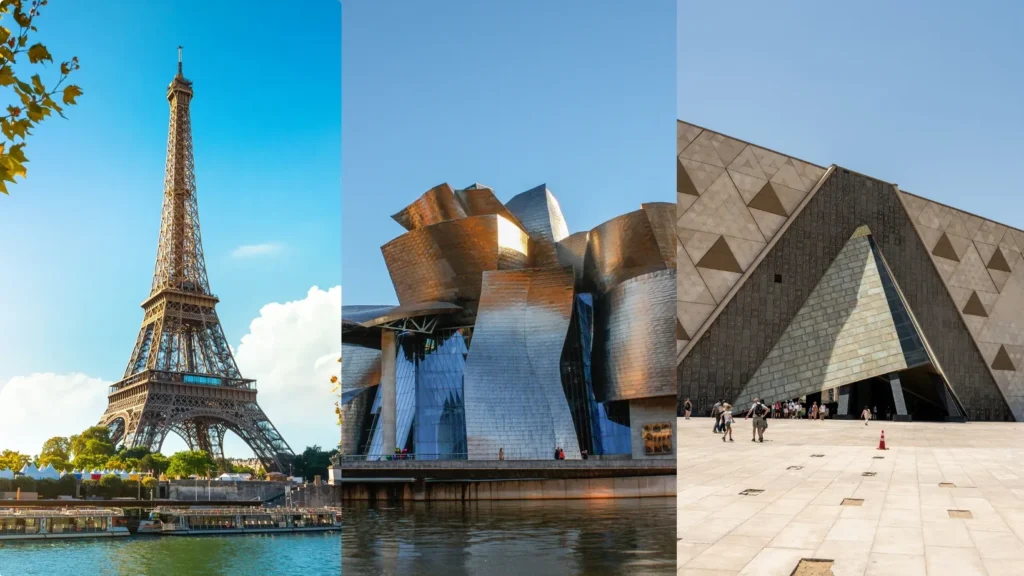
Some of the world’s most popular travel destinations include:
- Eiffel Tower (France)
- Great Wall of China (China)
- Taj Mahal (India)
- Grand Canyon (USA)
- Burj Khalifa (UAE)
- Santorini (Greece)
- Swiss Alps (Switzerland)
- Sydney Opera House (Australia)
- Niagara Falls (Canada/USA)
- Pyramids of Giza (Egypt)
Each destination offers unique history, culture, architecture, and natural beauty.
The Future of Travel Tourism
The tourism industry continues to evolve with innovations such as smart tourism, eco-friendly hotels, digital travel planning, and sustainable transportation. Travelers are increasingly seeking authentic experiences, cultural immersion, and environmentally responsible vacations.
As technology advances, planning international trips will become even easier, allowing more people to explore the world while minimizing their environmental impact.
Conclusion
Travel tourism is much more than visiting new places—it is about discovering the world, learning from different cultures, building meaningful relationships, and creating memories that last a lifetime. Whether you prefer relaxing on a tropical beach, hiking through mountains, exploring historical landmarks, or experiencing vibrant city life, every journey offers valuable lessons and unforgettable experiences.
By traveling responsibly, respecting local cultures, and protecting natural environments, we can ensure that future generations continue to enjoy the beauty and diversity of our planet. So pack your bags, plan your next adventure, and let travel inspire you to see the world with fresh eyes. Every destination has a story waiting to be discovered, and every trip is an opportunity to grow, explore, and create memories that will stay with you forever.