
Education is one of the most valuable gifts a person can receive. It is the key to knowledge, personal growth, and success in life. From childhood to adulthood, education helps people develop the skills and understanding they need to make informed decisions, solve problems, and contribute to society. It is not limited to schools and colleges; education is a lifelong process that continues through experience, reading, training, and learning from others.
In today’s fast-changing world, education has become more important than ever before. Technology, globalization, and innovation have changed the way people live and work. To keep up with these changes, individuals need knowledge, critical thinking, and the ability to adapt. Education provides these essential tools, making it one of the strongest foundations for a successful and meaningful life.
What is Education?
Education is the process of acquiring knowledge, skills, values, beliefs, and habits through learning. It can take place in classrooms, at home, online, or through everyday experiences. Formal education usually includes primary school, secondary school, college, and university. Informal education happens through life experiences, books, conversations, and practical work.
The purpose of education is not only to teach facts but also to develop character, creativity, confidence, and problem-solving abilities. It helps individuals become responsible citizens who can positively contribute to their communities.
Importance of Education
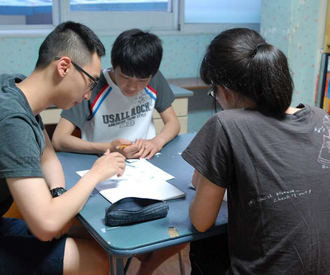
Education plays a vital role in shaping both individuals and society. It improves people’s lives by providing opportunities for better careers, higher incomes, and improved living standards. Educated individuals are more likely to make healthy decisions, understand their rights, and participate in social and economic development.
Education also promotes equality. It gives people from different backgrounds the opportunity to improve their lives regardless of their financial situation. A quality education helps reduce poverty, unemployment, and social inequality by opening doors to better opportunities.
Furthermore, education encourages innovation and scientific progress. Every major invention and technological advancement is the result of educated minds working to solve problems and improve human life.
Benefits of Education
There are numerous benefits of education that affect both personal and professional life.
1. Better Career Opportunities
Education increases the chances of finding a stable and rewarding job. Employers often prefer candidates who possess the necessary qualifications, skills, and knowledge. Higher education can lead to specialized careers in fields such as medicine, engineering, business, law, and technology.
2. Personal Development
Education helps individuals improve their communication, critical thinking, creativity, and leadership skills. It builds confidence and enables people to express their ideas effectively.
3. Financial Stability
People with higher levels of education generally earn better salaries than those with limited education. Financial stability allows individuals to support their families and achieve their personal goals.
4. Social Awareness
Education teaches people about their rights, responsibilities, and the importance of respecting others. It promotes tolerance, equality, and peaceful coexistence among different cultures and communities.
5. Better Decision-Making
Educated individuals can analyze information, evaluate options, and make informed decisions in their personal and professional lives. This ability helps them avoid unnecessary risks and solve problems effectively.
Types of Education
Education can be divided into three main categories:
Formal Education
Formal education takes place in schools, colleges, and universities following a structured curriculum. Students receive certificates, diplomas, or degrees after completing different levels of education.
Informal Education
Informal education happens naturally throughout life. Reading books, watching educational videos, learning from family members, and gaining work experience are examples of informal learning.
Non-Formal Education
Non-formal education includes organized learning outside traditional schools. Examples include vocational training, online courses, workshops, and professional certifications.
Role of Teachers
Teachers are one of the most important pillars of education. They guide students, inspire curiosity, and encourage lifelong learning. A good teacher not only explains academic subjects but also teaches discipline, honesty, teamwork, and respect.
Teachers help students discover their talents and build confidence. They create a positive learning environment where students can ask questions, explore ideas, and develop their skills. Their dedication plays a significant role in shaping future generations.
Technology in Education
Technology has transformed education in remarkable ways. Online learning platforms, educational apps, digital libraries, and virtual classrooms have made learning more accessible than ever before. Students can now attend classes from anywhere, access thousands of educational resources, and learn at their own pace.
Artificial Intelligence (AI), virtual reality, and interactive learning tools are making education more engaging and personalized. Teachers can use technology to explain complex concepts through videos, simulations, and interactive exercises.
However, technology should complement traditional teaching rather than replace it. Face-to-face interaction, classroom discussions, and practical experiences remain essential for developing communication and teamwork skills.
Challenges in Education
Despite its importance, many challenges continue to affect education worldwide.
One major challenge is unequal access to quality education. Many children, especially in developing countries, cannot attend school due to poverty, lack of infrastructure, or social issues.
Another challenge is the digital divide. While online education offers many opportunities, not everyone has access to computers or reliable internet connections.
Additionally, outdated teaching methods, overcrowded classrooms, and insufficient educational resources can reduce the quality of learning. Governments, schools, teachers, and communities must work together to overcome these obstacles.
Education and Society
Education has a direct impact on the progress of society. Educated citizens contribute to economic growth, technological advancement, healthcare improvements, and environmental protection. They are more likely to participate in community service, volunteer activities, and democratic processes.
A well-educated population strengthens a nation’s economy by increasing productivity, encouraging entrepreneurship, and attracting investment. Education also helps reduce crime rates by providing people with better opportunities and promoting ethical values.
Moreover, education fosters cultural understanding and global cooperation. It enables people from different backgrounds to respect diversity and work together to solve global challenges such as climate change, poverty, and public health issues.
Lifelong Learning
Education does not end after graduation. Lifelong learning has become essential in today’s rapidly changing world. New technologies, industries, and job requirements continue to evolve, making continuous learning necessary for career growth and personal development.
People can continue learning by attending workshops, taking online courses, reading books, earning certifications, and gaining practical experience. Lifelong learning keeps individuals competitive in the job market and helps them adapt to changing circumstances.
How Students Can Improve Their Learning
Students can maximize the benefits of education by developing positive learning habits. Setting clear goals, managing time effectively, staying organized, asking questions, and practicing regularly can significantly improve academic performance.
Reading beyond textbooks, participating in discussions, and applying knowledge in real-life situations also strengthen understanding. Maintaining a healthy lifestyle, getting enough sleep, and staying motivated contribute to better learning outcomes.
The Future of Education
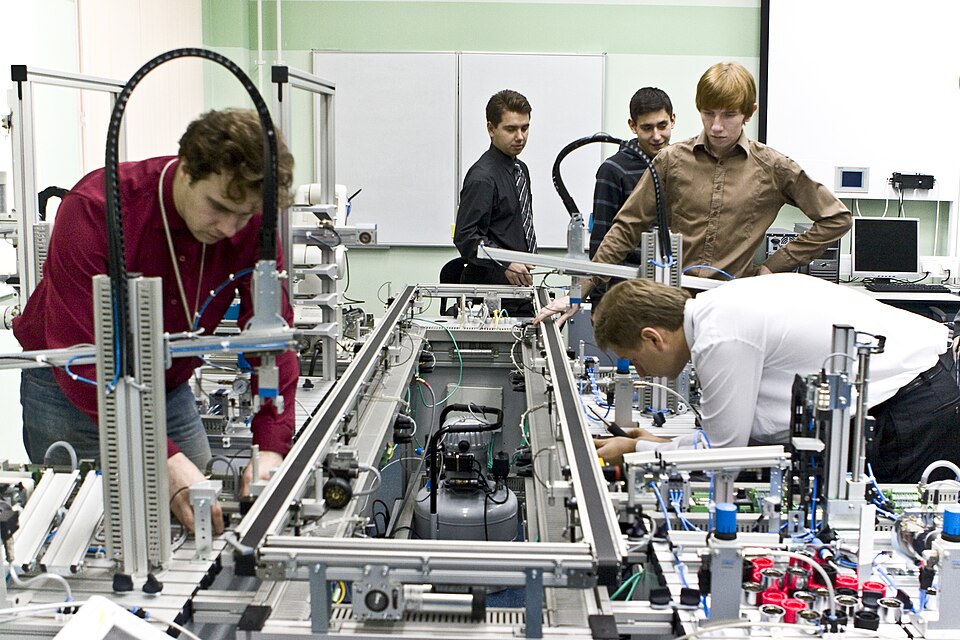
The future of education will be shaped by technology, innovation, and personalized learning. Artificial Intelligence will assist teachers in creating customized learning experiences based on individual student needs. Virtual reality may allow students to explore historical events, scientific experiments, and distant places through immersive experiences.
Online education will continue to grow, making quality learning available to people across the world. At the same time, schools will increasingly focus on developing critical thinking, creativity, emotional intelligence, collaboration, and digital literacy to prepare students for future careers.
Conclusion
Education is the foundation of personal success and national development. It empowers individuals with knowledge, skills, and confidence while creating opportunities for economic growth and social progress. A quality education helps people achieve their dreams, overcome challenges, and contribute positively to society.
As the world continues to change, the importance of education will only increase. Governments, teachers, parents, and students all share the responsibility of promoting lifelong learning and ensuring that everyone has access to quality education. By investing in education today, we build a brighter, stronger, and more prosperous future for generations to come.