
Introduction
Entertainment is an essential part of human life. It brings joy, reduces stress, and helps people relax after a busy day. Whether it is watching movies, listening to music, playing games, reading books, or spending time on social media, entertainment has become a daily necessity for people of all ages. In today’s fast-paced world, where work and responsibilities often create stress, entertainment provides a healthy escape and helps maintain a balanced lifestyle.
Technology has transformed the entertainment industry dramatically over the past few decades. From traditional forms like theater and radio to modern streaming services and virtual reality, people now have countless options to enjoy their favorite content anytime and anywhere. Entertainment is no longer limited by time or location, making it more accessible than ever before.
What Is Entertainment?
Entertainment refers to any activity, performance, or content designed to amuse, engage, or provide enjoyment to people. It can be experienced individually or shared with others. Entertainment comes in many forms, including movies, television shows, music, sports, books, video games, live performances, comedy shows, podcasts, and online content.
The purpose of entertainment is not only to make people happy but also to inspire creativity, encourage learning, and bring communities together.
Types of Entertainment
1. Movies and Television
Movies and television remain among the most popular forms of entertainment worldwide. They allow audiences to experience different stories, cultures, emotions, and adventures. Genres such as action, comedy, romance, horror, science fiction, and documentaries cater to different tastes and preferences.
Streaming platforms have made it easier than ever to watch content on smartphones, tablets, laptops, and smart TVs.
2. Music
Music is a universal language that connects people across cultures. It has the power to express emotions, reduce stress, improve mood, and inspire creativity. People enjoy different genres such as pop, rock, classical, jazz, hip-hop, country, electronic, and traditional folk music.
Live concerts and music festivals also provide unforgettable entertainment experiences.
3. Sports
Sports entertain millions of fans around the world. Football, cricket, basketball, tennis, hockey, and many other sports attract huge audiences both in stadiums and on television. Watching sports promotes excitement, teamwork, and national pride.
Many people also enjoy participating in sports as a form of entertainment and physical fitness.
4. Video Games
Gaming has become one of the fastest-growing entertainment industries. Modern video games offer immersive experiences with realistic graphics, engaging stories, and multiplayer competitions.
People play games on computers, gaming consoles, and mobile devices. Online gaming also allows players from different countries to connect and compete together.
5. Reading Books
Books remain a timeless source of entertainment. Fiction, fantasy, mystery, biographies, and adventure novels allow readers to explore new worlds through imagination. Reading also improves vocabulary, concentration, and critical thinking.
E-books and audiobooks have made reading more convenient for modern audiences.
6. Social Media
Social media platforms provide endless entertainment through videos, photos, memes, live streams, and interactive content. People can connect with friends, follow celebrities, watch educational videos, and discover new trends.
However, social media should be used responsibly to maintain a healthy balance between online and offline life.
The Importance of Entertainment
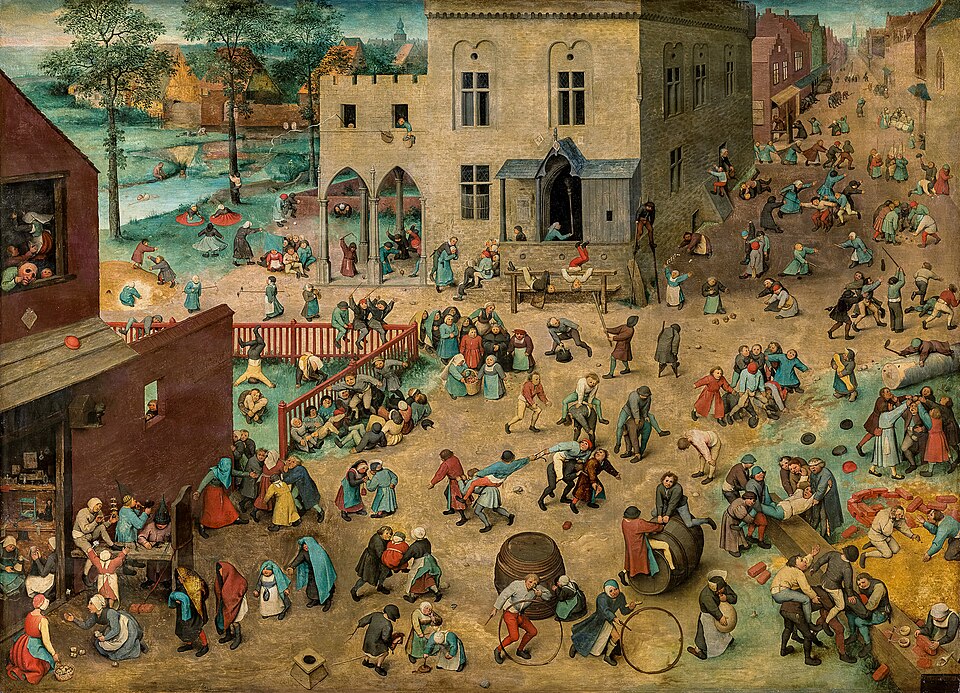
Entertainment plays a significant role in improving overall well-being. It provides relaxation after work or school and helps people recharge mentally and emotionally.
Some major benefits include:
- Reduces stress and anxiety.
- Improves mental health.
- Encourages creativity.
- Strengthens relationships through shared experiences.
- Provides educational opportunities.
- Promotes cultural understanding.
- Inspires motivation and innovation.
Families often spend quality time together by watching movies, playing games, or attending events, creating lasting memories.
Entertainment and Technology
Technology has completely transformed how people consume entertainment.
Some major technological advancements include:
- Streaming services for movies and TV shows.
- Music streaming platforms.
- Online gaming communities.
- Virtual Reality (VR) experiences.
- Augmented Reality (AR) games.
- Artificial Intelligence recommendations.
- Smart TVs and mobile entertainment.
Today, users can access thousands of movies, songs, and games instantly through the internet.
Artificial intelligence also personalizes recommendations based on users’ interests, making entertainment more enjoyable.
Entertainment as an Industry
The entertainment industry is one of the world’s largest economic sectors. It creates millions of jobs for actors, musicians, directors, writers, producers, designers, editors, photographers, game developers, marketers, and technicians.
Major sectors include:
- Film industry
- Television broadcasting
- Music industry
- Gaming industry
- Publishing
- Sports entertainment
- Digital content creation
- Live events
The growth of online platforms has also created opportunities for independent creators to build successful careers through videos, podcasts, blogs, and social media.
The Educational Value of Entertainment
Entertainment is not only about fun—it can also educate people.
Educational documentaries teach history, science, nature, and technology.
Historical films introduce viewers to important events.
Educational YouTube videos simplify difficult concepts.
Podcasts share expert knowledge on business, health, and personal development.
Interactive games help children develop problem-solving skills.
This combination of education and entertainment is often called “edutainment.”
Challenges of Modern Entertainment

Although entertainment offers many benefits, excessive consumption can create problems.
Some common challenges include:
- Screen addiction
- Reduced physical activity
- Sleep disturbances
- Exposure to inappropriate content
- Cyberbullying on social media
- Privacy concerns
- Decreased face-to-face interaction
Maintaining a healthy balance between entertainment and other responsibilities is essential for overall well-being.
The Future of Entertainment
The future of entertainment looks exciting as technology continues to evolve.
Some emerging trends include:
- Virtual Reality experiences
- Artificial Intelligence-generated content
- Interactive movies
- Cloud gaming
- Holographic concerts
- Personalized entertainment recommendations
- Immersive digital experiences
These innovations will provide audiences with more engaging and customized entertainment than ever before.
Tips for Healthy Entertainment Habits
To enjoy entertainment responsibly, consider these simple practices:
- Set daily screen time limits.
- Balance entertainment with work and study.
- Spend time outdoors.
- Read books regularly.
- Exercise daily.
- Watch educational content alongside recreational content.
- Spend quality time with family and friends.
- Avoid excessive social media use.
Healthy entertainment habits contribute to both physical and mental well-being.
Conclusion
Entertainment is an important part of everyday life. It helps people relax, learn, connect with others, and enjoy meaningful experiences. From movies and music to sports, books, gaming, and digital media, entertainment continues to evolve with advances in technology.
While entertainment provides countless benefits, it should be enjoyed in moderation. Maintaining a healthy balance between entertainment, work, education, and personal relationships ensures a happier and more productive life. As technology continues to advance, the entertainment industry will become even more innovative, offering exciting experiences that inspire, educate, and bring people together across the globe.
Ultimately, entertainment is more than just a way to pass the time—it is a powerful force that enriches our lives, fuels creativity, and connects people through shared stories, emotions, and experiences.