
Health & Fitness The Ultimate
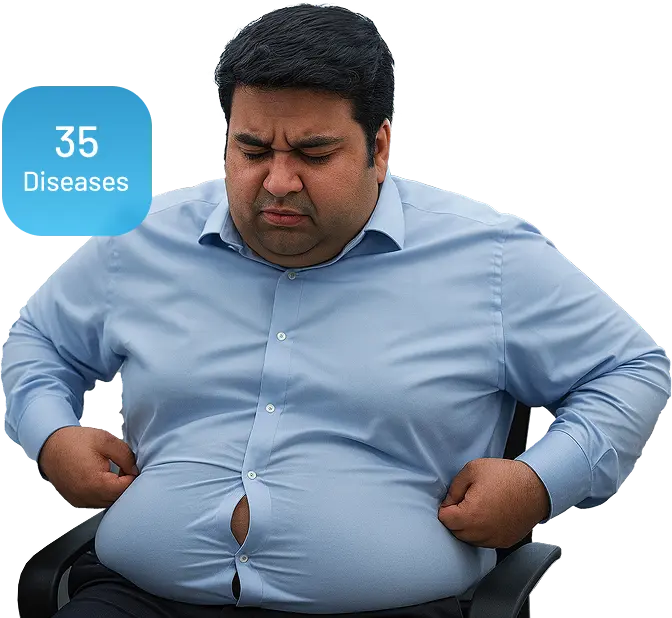
Health and fitness are two of the most valuable assets a person can have. In today’s fast-paced world, maintaining a healthy lifestyle has become more important than ever. With increasing stress, unhealthy eating habits, and sedentary lifestyles, many people are facing health challenges such as obesity, diabetes, heart disease, and mental health issues. Fortunately, adopting healthy habits and staying physically active can significantly improve the quality of life.
In this blog, we will explore the importance of health and fitness, the benefits of regular exercise, healthy eating habits, mental wellness, and practical tips to help you achieve a healthier lifestyle.
What is Health and Fitness?
Health is a state of complete physical, mental, and social well-being, not merely the absence of disease. Fitness, on the other hand, refers to the body’s ability to perform daily activities efficiently without excessive fatigue while maintaining enough energy for leisure and emergencies.
Health and fitness work together to create a balanced lifestyle. A healthy body supports a healthy mind, while physical fitness strengthens the body and improves overall well-being.
Why Health and Fitness Matter
Many people focus on earning money or achieving career success but often neglect their health. However, without good health, enjoying life’s achievements becomes difficult. Investing time in your health today can prevent many health problems in the future.
Some of the major reasons why health and fitness are important include:
- Improves physical strength and endurance.
- Reduces the risk of chronic diseases.
- Enhances mental health and emotional stability.
- Boosts confidence and self-esteem.
- Increases energy levels.
- Promotes better sleep quality.
- Improves productivity and concentration.
- Supports a longer and happier life.
Benefits of Regular Exercise
Exercise is one of the most effective ways to improve overall health. It doesn’t necessarily require expensive gym memberships. Simple activities like walking, jogging, cycling, swimming, or home workouts can make a significant difference.
1. Improves Heart Health
Regular physical activity strengthens the heart muscles, improves blood circulation, and lowers blood pressure. It also reduces bad cholesterol (LDL) while increasing good cholesterol (HDL), lowering the risk of heart disease.
2. Helps Maintain a Healthy Weight
Exercise burns calories and boosts metabolism, making it easier to lose or maintain weight. Combined with a balanced diet, regular workouts help prevent obesity.
3. Strengthens Muscles and Bones
Strength training and weight-bearing exercises improve muscle mass and bone density, reducing the risk of osteoporosis and injuries as people age.
4. Boosts Mental Health
Physical activity stimulates the release of endorphins, often called “feel-good hormones.” These chemicals reduce stress, anxiety, and depression while improving mood.
5. Increases Energy Levels
Although exercise requires energy, it actually improves stamina over time by strengthening the cardiovascular system and muscles.
The Importance of Healthy Eating

Exercise alone is not enough. Nutrition plays an equally important role in achieving good health and fitness. A balanced diet provides the body with essential nutrients needed for growth, repair, and energy.
A healthy diet should include:
- Fresh fruits and vegetables
- Whole grains
- Lean proteins such as chicken, fish, eggs, and beans
- Healthy fats from nuts, seeds, and olive oil
- Low-fat dairy products
- Plenty of water
Avoid excessive consumption of:
- Sugary drinks
- Fast food
- Processed snacks
- Excessive salt
- Refined sugar
- Trans fats
Eating smaller portions, avoiding overeating, and maintaining regular meal times also contribute to better health.
Stay Hydrated
Water is essential for every function of the body. It regulates body temperature, transports nutrients, removes waste, and keeps joints lubricated.
Adults should generally drink around 2 to 3 liters of water daily, although individual needs vary depending on activity level, weather, and health conditions. Drinking enough water also improves skin health and supports weight management.
The Role of Sleep
Many people underestimate the importance of sleep. Lack of sleep negatively affects physical health, mental performance, and emotional well-being.
Adults should aim for 7 to 9 hours of quality sleep every night.
Good sleep helps:
- Repair muscles
- Improve memory
- Boost immunity
- Regulate hormones
- Reduce stress
- Increase productivity
To improve sleep quality:
- Go to bed at the same time each night.
- Avoid mobile phones before sleeping.
- Keep the bedroom dark and quiet.
- Limit caffeine in the evening.
Mental Health is Part of Fitness
Health is not only about physical fitness. Mental health is equally important. Chronic stress, anxiety, and depression can affect both the body and mind.
Simple ways to improve mental health include:
- Practicing meditation
- Deep breathing exercises
- Spending time with family
- Reading books
- Listening to music
- Exercising regularly
- Taking breaks from work
- Getting enough sleep
Seeking professional help when needed is also a sign of strength, not weakness.
Building Healthy Daily Habits
Healthy living is based on consistency rather than perfection. Small daily improvements often lead to significant long-term results.
Healthy daily habits include:
- Wake up early.
- Eat a nutritious breakfast.
- Exercise for at least 30 minutes.
- Drink plenty of water.
- Eat fruits and vegetables daily.
- Limit screen time.
- Practice good hygiene.
- Manage stress effectively.
- Sleep on time.
Common Fitness Mistakes
Many beginners make mistakes that slow their progress.
Some common mistakes include:
- Skipping warm-up exercises
- Overtraining without rest
- Eating unhealthy foods after workouts
- Not drinking enough water
- Ignoring proper form during exercises
- Expecting quick results
- Comparing yourself to others
Fitness is a journey, and patience is essential.
Fitness for Every Age
Health and fitness are important throughout life.
Children should engage in active play, sports, and outdoor activities to support healthy growth and development.
Adults benefit from a balanced routine that combines cardiovascular exercise, strength training, flexibility, and proper nutrition to maintain overall health.
Older adults should focus on low-impact activities such as walking, swimming, yoga, and stretching to improve balance, mobility, and independence.
Motivation to Stay Fit
Staying motivated can sometimes be challenging. Setting realistic goals helps maintain consistency.
Helpful strategies include:
- Track your progress.
- Celebrate small achievements.
- Exercise with friends.
- Try different workouts.
- Listen to motivational podcasts or music.
- Focus on long-term health instead of quick results.
Remember, every workout counts, even if it’s just a short walk.
Conclusion
Health and fitness are lifelong commitments that bring countless benefits to both the body and mind. By eating nutritious foods, staying physically active, drinking enough water, getting quality sleep, and managing stress effectively, you can enjoy a healthier, happier, and more productive life.
The journey to better health does not require perfection—it requires consistency. Small daily choices, such as taking a walk, choosing healthy meals, or getting enough sleep, can create lasting positive changes. Start today with one healthy habit, and gradually build a lifestyle that supports your well-being. Your future self will thank you for every healthy decision you make today.