
Food is much more than a basic necessity—it is a source of joy, culture, and togetherness. Around the world, every country and region has its own unique recipes that tell stories of tradition, family, and creativity. Whether it is a simple breakfast, a comforting lunch, or a delicious dinner, food recipes help people prepare meals that are tasty, nutritious, and memorable. Learning different recipes also encourages people to experiment with new ingredients, improve their cooking skills, and enjoy homemade meals instead of relying on fast food.
In today’s fast-paced world, cooking at home has become more important than ever. Homemade food is generally healthier, more affordable, and prepared according to personal taste and dietary needs. Food recipes provide step-by-step guidance that makes cooking easy for beginners while inspiring experienced cooks to try something new. From traditional family dishes to modern fusion cuisine, recipes allow everyone to enjoy the art of cooking.
Why Food Recipes Matter
Recipes serve as a roadmap for preparing delicious meals. They provide clear instructions on ingredients, measurements, cooking techniques, and serving suggestions. Without recipes, preparing a dish consistently can be difficult, especially for beginners.
Food recipes are important because they:
- Help people cook meals with confidence.
- Save time by providing organized instructions.
- Preserve traditional family and cultural dishes.
- Encourage healthy eating habits.
- Inspire creativity in the kitchen.
- Reduce food waste by making better use of available ingredients.
Whether someone wants to prepare a simple omelet or a gourmet dinner, recipes make the cooking process easier and more enjoyable.
Benefits of Cooking at Home
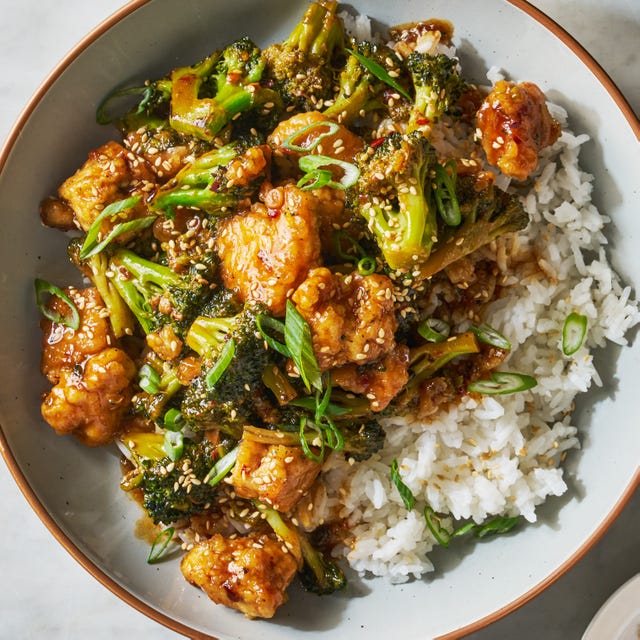
Cooking at home offers many advantages over eating out or ordering fast food. Homemade meals give complete control over ingredients, portion sizes, and cooking methods.
Some major benefits include:
Healthier Meals
Home cooking allows people to reduce unhealthy fats, sugar, and salt while increasing vegetables, fruits, and whole grains. Fresh ingredients often contain more nutrients than processed foods.
Cost Savings
Preparing meals at home is usually much cheaper than dining at restaurants. Buying ingredients in bulk and planning meals can significantly reduce grocery expenses.
Better Hygiene
When cooking at home, you know exactly how the food is prepared, ensuring better cleanliness and food safety.
Family Bonding
Cooking together creates opportunities for family members to spend quality time, teach children valuable life skills, and enjoy meals together.
Personal Satisfaction
Successfully preparing a delicious meal brings a sense of achievement and confidence, encouraging people to continue improving their cooking skills.
Essential Ingredients Every Kitchen Should Have
A well-stocked kitchen makes cooking easier and more convenient. Some basic ingredients include:
- Rice
- Flour
- Cooking oil
- Salt
- Black pepper
- Garlic
- Ginger
- Onions
- Tomatoes
- Eggs
- Milk
- Butter
- Sugar
- Common spices such as turmeric, cumin, coriander, chili powder, and paprika
Fresh vegetables, fruits, herbs, and proteins like chicken, fish, beans, or lentils should also be available whenever possible.
Easy Homemade Vegetable Fried Rice Recipe
One of the easiest and most popular recipes is vegetable fried rice.
Ingredients
- 2 cups cooked rice
- 1 cup mixed vegetables (carrots, peas, corn, beans)
- 2 tablespoons cooking oil
- 2 cloves garlic (minced)
- 1 small onion (chopped)
- 2 tablespoons soy sauce
- Salt and black pepper to taste
- Spring onions for garnish
Instructions
- Heat oil in a large pan.
- Add garlic and onion, then cook until fragrant.
- Add mixed vegetables and stir-fry for 4–5 minutes.
- Mix in the cooked rice.
- Add soy sauce, salt, and black pepper.
- Stir everything together for another 3–4 minutes.
- Garnish with chopped spring onions and serve hot.
This recipe is quick, colorful, nutritious, and perfect for lunch or dinner.
Healthy Eating Through Smart Recipes
Healthy recipes focus on balanced nutrition without sacrificing flavor. They include plenty of vegetables, lean proteins, healthy fats, and whole grains.
Some healthy cooking tips include:
- Steam or grill instead of deep frying.
- Use fresh herbs instead of excess salt.
- Replace sugary drinks with water or fresh juice.
- Include vegetables in every meal.
- Choose whole-grain bread, rice, or pasta whenever possible.
- Eat moderate portion sizes.
Healthy recipes help maintain energy levels, support weight management, and reduce the risk of many lifestyle-related diseases.
Popular Foods Around the World
Every culture has its own famous recipes that reflect local traditions and ingredients.
Some well-known international dishes include:
- Pizza from Italy
- Sushi from Japan
- Tacos from Mexico
- Biryani from South Asia
- Paella from Spain
- Pad Thai from Thailand
- Hamburger from the United States
- Croissants from France
Trying recipes from different countries introduces new flavors and expands culinary knowledge.
Tips for Successful Cooking
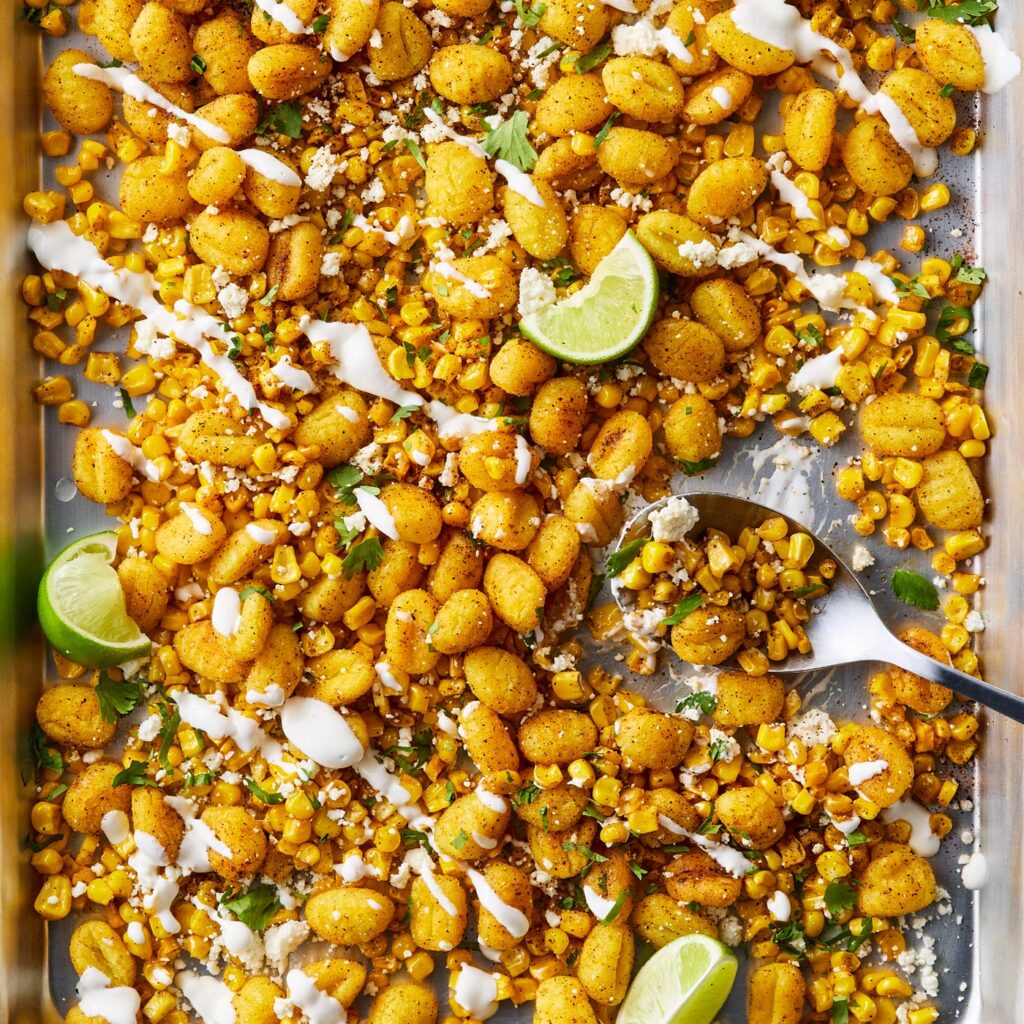
Good cooking is not only about following recipes but also about understanding basic techniques.
Here are some helpful tips:
- Read the entire recipe before starting.
- Prepare all ingredients in advance.
- Use fresh ingredients whenever possible.
- Taste food during cooking and adjust seasoning.
- Keep your kitchen clean and organized.
- Avoid overcooking vegetables to preserve nutrients.
- Practice regularly to improve your skills.
Even experienced chefs continue learning new techniques and experimenting with different ingredients.
The Role of Food in Culture
Food is deeply connected to culture, celebrations, and traditions. Special recipes are often prepared during festivals, weddings, birthdays, and religious events. These dishes carry memories from one generation to the next and help preserve cultural identity.
Family recipes passed down through generations often become treasured traditions. Preparing these meals keeps family history alive while bringing people together around the dining table.
Technology and Modern Recipes
Technology has transformed the way people learn cooking. Thousands of recipes are now available through websites, cooking blogs, mobile apps, and video tutorials. Beginners can watch step-by-step demonstrations, learn new techniques, and discover international cuisines without leaving home.
Smart kitchen appliances, including air fryers, pressure cookers, and food processors, have also made cooking faster and more convenient. These innovations help people prepare healthy meals with less effort and time.
Reducing Food Waste
Good recipes can also help reduce food waste by using leftover ingredients creatively. Leftover vegetables can become soup, cooked rice can be turned into fried rice, and stale bread can be used for breadcrumbs or bread pudding. Planning meals carefully and storing ingredients properly helps families save money while protecting the environment.
Conclusion
Food recipes are valuable tools that make cooking enjoyable, practical, and rewarding. They help people prepare delicious meals, explore different cultures, and develop lifelong cooking skills. Whether you are making a simple breakfast, a healthy lunch, or a festive dinner, recipes provide the confidence and guidance needed to create memorable dishes.
Cooking at home promotes healthier eating, saves money, strengthens family relationships, and encourages creativity. With practice, patience, and a willingness to experiment, anyone can become a skilled home cook. Every recipe is an opportunity to learn something new, share happiness with loved ones, and celebrate the universal language of food. By embracing homemade cooking and trying new recipes regularly, people can enjoy flavorful meals while building healthy habits that last a lifetime.